
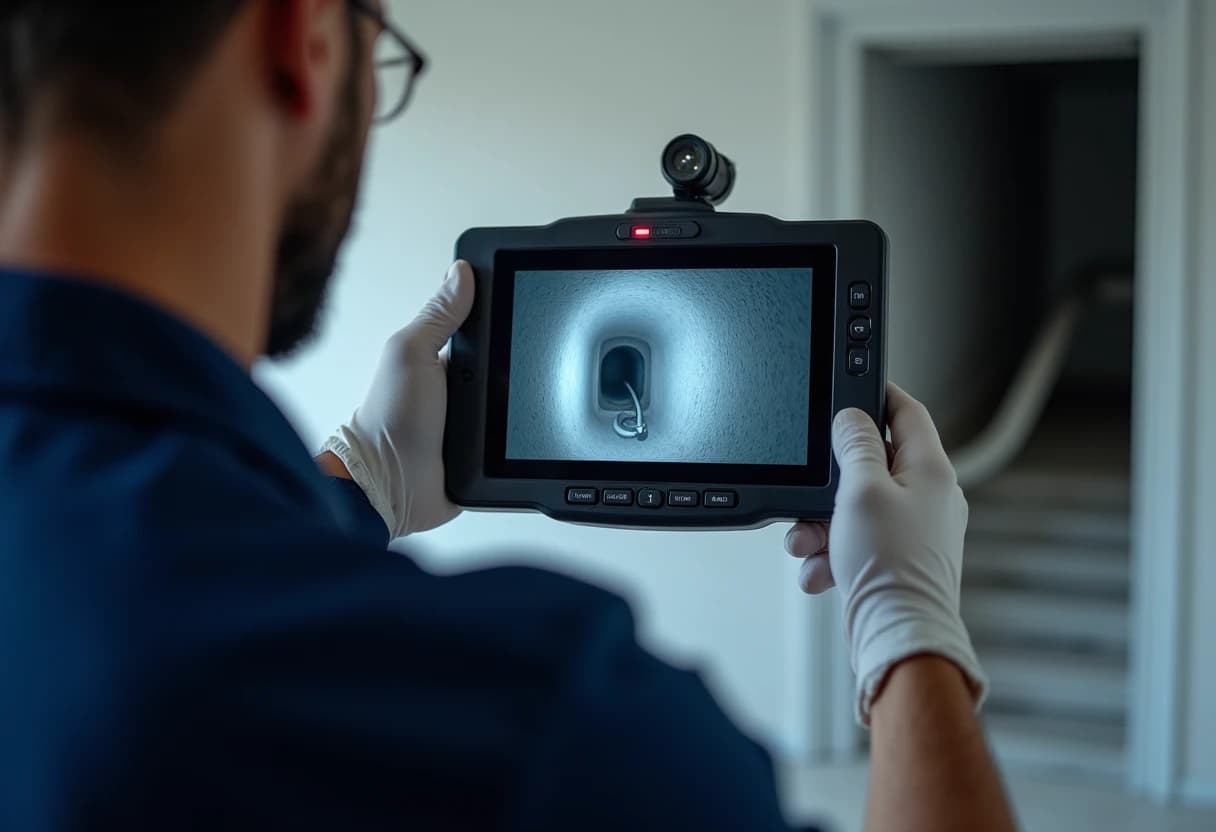
An air duct camera inspection answers questions no filter change or register glance can: How much accumulation is really in there? Is that smell mold, pest activity, or just old dust? Why does one bedroom never get warm? Our Boston inspections put a camera through the hidden network — supplies, returns, trunks — and frequently find what nobody suspected: branch ducts disconnected inside walls, crushed flex starving a room, gaps leaking conditioned air into joist bays, rodent evidence, moisture staining. You receive the recorded imagery, a written condition summary, and an honest recommendation. At $99 to $249, it is the cheapest diagnostic your HVAC system can get — and the fee credits toward cleaning or repair if either is actually needed.
Why Air Duct Camera Inspection Matters for Boston Homes
Inspection is also how a household establishes a baseline and a rhythm. NADCA's guidance is inspection on a recurring interval — generally every couple of years for occupied homes — with cleaning only as conditions warrant, and that ordering is the entire point: inspection is the cheap, repeatable step that tells you when the expensive step is due. A documented baseline changes how every future air-quality question gets answered. Allergies flare in March: compare against last year's imaging instead of guessing. A renovation wraps: one camera pass shows whether the containment actually held or the system inhaled the job site. A musty smell appears in August: the footage distinguishes harmless old dust from moisture staining that needs attention now. Households with asthma or allergy sufferers, shedding pets, or recent construction benefit from the tightest inspection rhythm; newer tight-construction homes may verify clean for years on end, and the $99 inspection that proves it is the cheapest good news in home maintenance. Either way, decisions about your air get made from evidence that accumulates, not from anxiety that does.
Boston homes are precisely where duct inspection pays for itself. Boston's housing runs the full spectrum of American urban building: 1800s brownstones and brick rowhouses in Back Bay, Beacon Hill and the South End, wood-frame triple-deckers across Dorchester and the streetcar neighborhoods, mid-rise brick apartment blocks near the universities, and glass condo towers downtown and along the harbor. Countless older buildings have been carved into condos with each unit given its own furnace or heat pump, so ductwork is often squeezed through 19th-century joist bays, chases and dropped ceilings never designed for it. The result is a city full of long, tight, hard-to-reach duct runs that trap decades of dust. Systems in housing like this have been extended, patched and re-routed through generations of renovations — which means hidden joints, abandoned runs and improvised connections that only a camera will ever see. We work in Boston every week, from rowhouse condos on gas-fired forced air to triple-decker units with attic air handlers. City-specific issues come up constantly: shared-wall dust migration in rowhouse blocks, renovation debris left in ducts after condo conversions, and dryer vent runs that snake thirty-plus feet to reach an outside wall - a genuine fire risk we flag on nearly every Boston visit. Our technicians scope Boston systems every week and know the local patterns: panned-joist returns that leak basement air, converted gravity trunks holding decades of accumulation, flex duct crushed into corners during insulation retrofits. For $99 to $249 you find out what your system actually holds, with footage — and the fee credits toward any cleaning or repair the evidence supports.
Our Air Duct Camera Inspection Process in Boston
1System Walkthrough & Access Planning
The inspection starts with a walkthrough: we locate the air handler, map supplies and returns room by room, check filter condition and fit, and note your specific concerns — the cold bedroom, the musty smell, the dust that keeps returning. That intake shapes the camera plan, because a good inspection targets your questions, not just a standard route.
2Borescope Inspection of Branch Runs
The borescope is the right tool for the branch network: small enough to travel curved boots and elbows, lit and sharp enough to show the difference between a light dust film and a matted accumulation, between dry debris and moisture-bonded buildup. Each run's footage is tagged by room, so the report reads like a map of your house.
3Robotic Camera Inspection of Trunk Lines
The crawler earns its place on exactly the duct sections that matter most — supply and return mains that every branch feeds into or draws from. It travels tens of feet into the system, showing seam condition, accumulation depth, moisture history written in staining patterns, and obstructions or collapses that explain airflow complaints no thermostat adjustment ever fixed.
4Air Handler, Connections & Defect Check
This step frequently produces the inspection's most valuable finding: the branch that came apart in a wall cavity, the return drawing from a moldy crawlspace, the flex run pinched to a third of its diameter. None of these are cleaning problems — they are repair problems that cleaning-first companies miss entirely — and each is documented with location and imagery for accurate repair pricing.
5Moisture, Microbial & Pest Assessment
EPA guidance flags visible mold and vermin activity in ducts as conditions warranting professional attention, and the camera is how those conditions get established honestly. When we find them, you get documentation suitable for remediation quotes and, where relevant, landlord or insurance conversations. When we find suspicious-looking but ordinary staining, you get told that too — with the footage to verify.
6The Verdict: Go, No-Go, or Watch
Every inspection ends in one of three verdicts, delivered plainly. Go: contamination or conditions justify cleaning now, and we quote it flat with the inspection fee credited. No-go: the system is serviceably clean; keep the footage as your baseline and re-inspect in two to three years. Watch: borderline accumulation or a minor issue worth monitoring — with a specific re-check date, not a shrug.
7Recorded Imagery & Written Report
The deliverable is designed for second opinions, because evidence you cannot share is just testimony. Buyers forward it to agents during negotiations; landlords file it as documented due diligence; skeptical spouses review the trunk footage at the kitchen table. If you take our report to another duct cleaner for a competing quote, it will do its job there too — that is the point of it.
Benefits of Professional Air Duct Camera Inspection in Boston
Early Warning on Moisture, Mold & Pests
Moisture problems announce themselves inside ductwork before they surface anywhere else — staining, corrosion and matted dust mark the pathway while the growth is still incipient. Catching it at the inspection stage means addressing a humidity source or a small cleaning; catching it at the smell stage often means remediation.
The Fee Credits Toward the Fix
The credit structure is deliberate: it removes our incentive to inflate findings (the inspection is a paid service either way) and removes your risk in looking first (a justified cleaning costs the same as if you had skipped straight to it). Look-then-decide ends up costing no more than guessing — it just decides better.
A Documented Baseline for Your Home's Air
For landlords and condo associations, periodic documented inspections are due-diligence on paper: dated proof the air systems serving tenants were examined by a professional, with findings addressed or reasonably watched. It is a modest line item that reads exactly like conscientious ownership because it is.
Finds Defects That Cleaning Would Never Fix
Duct defects hide behind comfort complaints for years because nobody can see them. The chronically cold bedroom, the dusty room over the garage, the system that runs constantly without satisfying the thermostat — each has a visible cause somewhere in the run, and each is cheaper to repair than to keep compensating for.
Leverage and Clarity in Home Purchases
A pre-purchase duct inspection regularly pays for itself many times over at the negotiating table: documented contamination, defects or pest evidence become credits or seller repairs, backed by imagery no one can wave away. And when the system verifies clean, you close with one less unknown — worth the fee by itself.
An Honest Answer Before You Spend on Cleaning
EPA guidance ties cleaning to specific observable conditions — visible mold, vermin, excessive debris releasing into the home — and observation is precisely what this service performs. You end the appointment knowing which side of that guidance your system sits on, with footage rather than a verbal assurance either way.
Signs Your Boston Home Needs Air Duct Camera Inspection
A Room That Never Heats or Cools Properly
Airflow complaints have a short list of causes and almost all are visible: obstruction, collapse, disconnection, leakage, or heavy accumulation narrowing the run. One borescope pass down the offending branch checks the entire list. The alternative — trial-and-error with thermostats, filters and vents — checks none of it.
You're Being Quoted a Cleaning Without Anyone Looking
The classic bait pattern — cheap coupon, alarming on-site 'discovery,' quadrupled invoice — only works on homeowners who cannot see inside their own system. Recorded inspection footage is the antidote: reviewable at your pace, shareable for second opinions, and immune to flashlight theater. Get the footage before you sign anything.
It's Been Years Since Anyone Looked — or Ever
NADCA's guidance is a look every couple of years, cleaning only as conditions warrant. If your system has no inspection history at all, the first camera pass sets the baseline that makes every future decision easier — and in Greater Boston's older stock, it fairly often finds something worth knowing about, dirt or defect alike.
Musty or Unexplained Odors From the Vents
The EPA advises against sanitizing or treating ducts blind — you should know what you are treating and why. An inspection establishes exactly that: whether staining is consistent with growth, where moisture is entering, and whether cleaning, repair, dehumidification or lab testing is the right next step. Evidence first, chemicals later, if at all.
After Renovations, Water Events or Pest Activity
After a burst pipe, roof leak or flooded basement, insurers and remediators both want the ducts assessed — moisture in the air path is a recolonization risk for the whole house. Inspection imagery documents the extent honestly: sometimes staining demands cleaning and treatment, sometimes runs verify dry and you file the footage with the claim.
Dust, Allergies or Filter Mysteries Despite Clean Habits
Filters that load absurdly fast — or stay suspiciously clean while the house stays dusty — both point at duct-path problems: bypass gaps letting air around the filter, returns drawing from dirty cavities, or supply runs shedding downstream of the filter entirely. Each has a visual signature the camera reads in one pass.
Air Duct Camera Inspection Cost in Boston, MA
What the price includes is worth spelling out, because 'free duct inspection' offers in this market are usually sales visits wearing a lab coat. Our fee covers a scheduled diagnostic appointment of typically 45 to 75 minutes; borescope imaging of representative supply branches in each zone and every accessible return; robotic or extended-reach imaging of accessible main trunks; a defect check of visible ductwork, connections, filter fit and the air-handler surroundings; moisture, microbial and pest assessment with careful documentation of anything found; and same-day delivery of footage, stills and the written summary. What it never includes: obligation. The verdict is the product, and roughly half of our verdicts are 'no cleaning needed.' A free inspection cannot afford that answer — its economics require finding something — which is exactly why we charge for ours and credit the fee when work is genuinely warranted.
Want the full pricing picture? See our complete Boston-area cost guide or call (617) 390-7145 for an exact flat quote for your Boston home.
Local Knowledge: Boston, Suffolk County
Serving Boston means knowing Boston. Boston's housing runs the full spectrum of American urban building: 1800s brownstones and brick rowhouses in Back Bay, Beacon Hill and the South End, wood-frame triple-deckers across Dorchester and the streetcar neighborhoods, mid-rise brick apartment blocks near the universities, and glass condo towers downtown and along the harbor. Countless older buildings have been carved into condos with each unit given its own furnace or heat pump, so ductwork is often squeezed through 19th-century joist bays, chases and dropped ceilings never designed for it. The result is a city full of long, tight, hard-to-reach duct runs that trap decades of dust. We work in Boston every week, from rowhouse condos on gas-fired forced air to triple-decker units with attic air handlers. City-specific issues come up constantly: shared-wall dust migration in rowhouse blocks, renovation debris left in ducts after condo conversions, and dryer vent runs that snake thirty-plus feet to reach an outside wall - a genuine fire risk we flag on nearly every Boston visit. Those conditions shape how we work here: which brush heads come off the truck, how we protect finishes in older interiors, and what we expect to find when the camera goes into a 02108 duct system. Our crews are in and around Boston nearly every week — often for neighbors of past customers — so scheduling is fast and our arrival windows hold.
The Best Time of Year in Boston
Spring and fall are transaction seasons in Massachusetts real estate, and that is when the pre-purchase inspection earns its keep. Buyer inspection windows are short — often days — and our camera appointments are built to fit inside them: priority scheduling, under an hour on site for most homes, same-day imagery and a written summary formatted for agents and attorneys. In Suffolk County's older housing stock, what the camera finds during these windows ranges from reassuring to deal-adjusting: verified-clean systems that remove a buyer worry, heavy accumulation that becomes a cleaning credit, and occasionally the disconnected run or pest evidence that reframes a negotiation entirely. Sellers preparing spring listings use the same service in reverse — pre-listing footage of a sound system, or documentation of a just-completed cleaning, answers the question before buyers ask it.
Why Choose Boston Air Duct Cleaners
As a West Newton-based company, we treat Boston like the neighborhood it is — because for us, it is. Our reputation lives or dies on local referrals, so every job gets the full process: complete system cleaning under negative pressure, mechanical agitation of every run, blower compartment service, and a documented walkthrough before we leave. We are licensed and insured, our estimates are free and flat, and our schedule holds same-day slots for urgent calls. One visit and you will understand why neighbors keep our magnet on the fridge.
Serving Boston and Surrounding Communities
Beyond Boston, our crews cover the surrounding communities daily — including Back Bay, South End, Cambridge, Brookline, Somerville, Dorchester. Because routes cluster geographically, booking alongside a neighboring appointment often unlocks same-day service and combined-visit savings. Wherever you are in Suffolk County, the same flat-rate pricing, insured technicians and photo-documented process applies.